Why HEPA Mold Cleanup Is a Non-Negotiable Step in Professional Remediation
Understanding the Real Scope of Mold Problems
Mold is one of those problems that can quietly take hold in a home or commercial space, often in places you would not think to check. A small roof leak, a poorly ventilated bathroom, or a humid crawl space can become a breeding ground for mold spores. If you have dealt with mold before, you know that simply scrubbing visible patches off the wall does not solve the underlying issue. Mold is not just about what you see; it is about what you cannot see. Those microscopic spores can travel through the air, settle into HVAC systems, and hide inside porous materials like drywall and carpet.
In Fort Worth, where humidity levels can spike, moisture control becomes a year-round concern. I have worked on properties where the homeowner thought a quick bleach wipe was enough. Within weeks, the mold returned, sometimes worse than before. That is why any serious approach to mold remediation must include a step often overlooked: thorough HEPA mold cleanup. Without it, you are essentially painting over a problem that is still alive and active inside the building.
Why Regular Cleaning Methods Fall Short
Standard cleaning tools like a shop vacuum or a broom simply do not cut it when dealing with mold. A shop vacuum, for instance, may actually blow mold spores back into the air if it lacks a proper HEPA filter. The difference between a regular vacuum and a HEPA vacuum is not just a marketing claim. A true HEPA vacuum cleaner captures at least 99.97 percent of particles that are 0.3 microns in size. Mold spores generally range from 1 to 30 microns, so a HEPA vacuum is designed to trap them rather than recirculate them.
I remember a job where the client had been using a standard canister vacuum to clean up after a small mold patch in their basement. They thought they were being thorough, but an air quality test later showed elevated spore counts in the upstairs bedrooms. That is cross-contamination in action. The mold had been spread through the very machine they trusted to clean it. Proper HEPA mold cleanup means using equipment that is sealed and certified, not just a vacuum with a HEPA label slapped on it.
The Right Tools for the Job
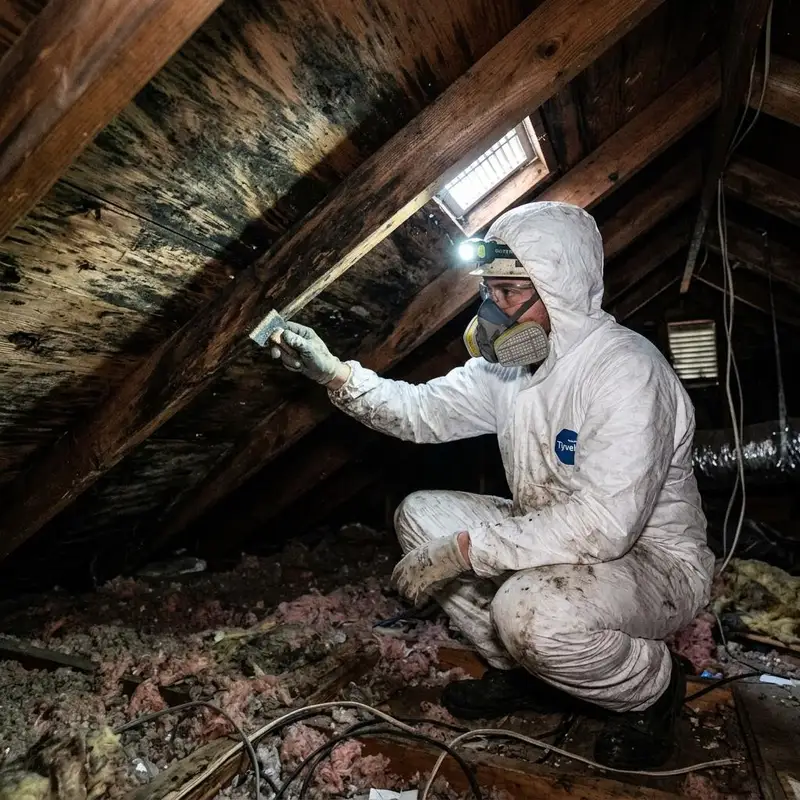
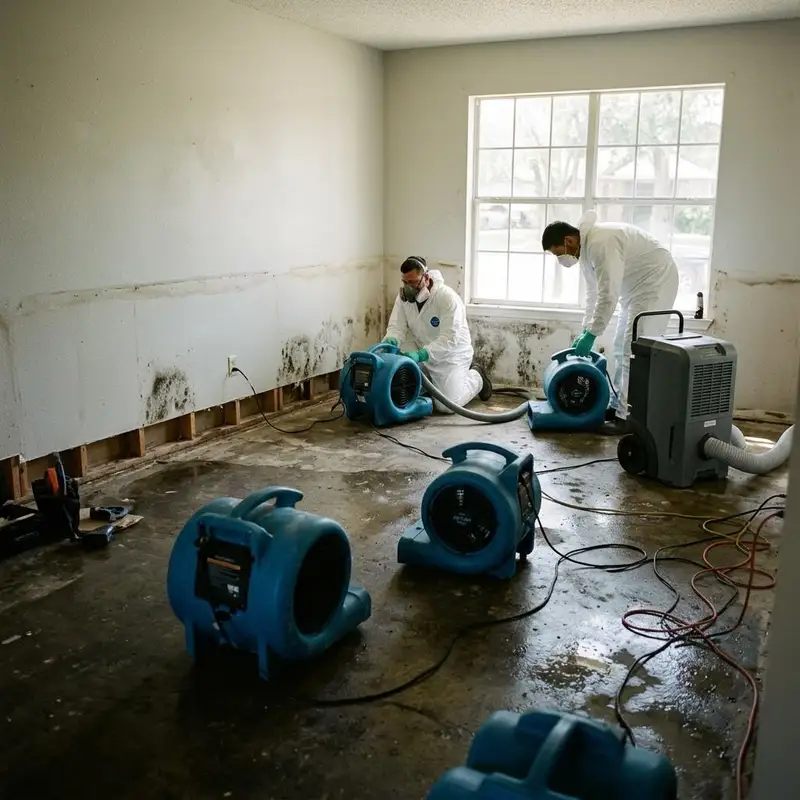
When I walk into a mold remediation project, I bring specific tools that are not part of a typical cleaning kit. A HEPA vacuum is just the starting point. I also rely on an Air Scrubber, which is a portable filtration unit that cycles the air in a room through a HEPA filter and sometimes a carbon pre-filter. An Air Scrubber helps capture airborne spores during the work, reducing the chance that mold will spread to other areas of the building. Another essential piece of equipment is a dehumidifier, especially in a climate like Fort Worth's. Keeping indoor humidity below 60 percent, ideally between 30 and 50 percent, is one of the most effective ways to prevent mold from returning after a cleanup.
For mold inspection, I use tools like the Microbalance HealthPro, which is a high-end air sampling device that gives precise data on spore concentrations. That kind of measurement tells me whether the remediation was successful, not just whether the surface looks clean. I also carry a mold testing kit for surface samples when I need to identify the specific type of mold present. Some molds produce mycotoxins, which can be harmful even in small amounts. Knowing what you are dealing with changes how you approach the cleanup.
How HEPA Filtration Works in Practice
A HEPA air purifier is another tool that makes a difference, especially during the final stages of remediation. After the visible mold has been removed and the area has been cleaned with a HEPA vacuum, running a HEPA air purifier in the space for 24 to 48 hours helps catch any lingering spores. This is not about replacing remediation with a machine; it is about finishing the job properly. The EPA itself recommends HEPA filtration as part of mold cleanup guidelines for buildings with significant moisture problems.
I have seen situations where a contractor skipped the HEPA step to save time and money. The result was that the mold came back within a month, and the client had to pay for a second remediation. That kind of short-term thinking does not serve anyone. A thorough HEPA mold cleanup may take an extra day on site, but it can save months of headaches and thousands of dollars in repeat work.
The Role of Containment and Airflow
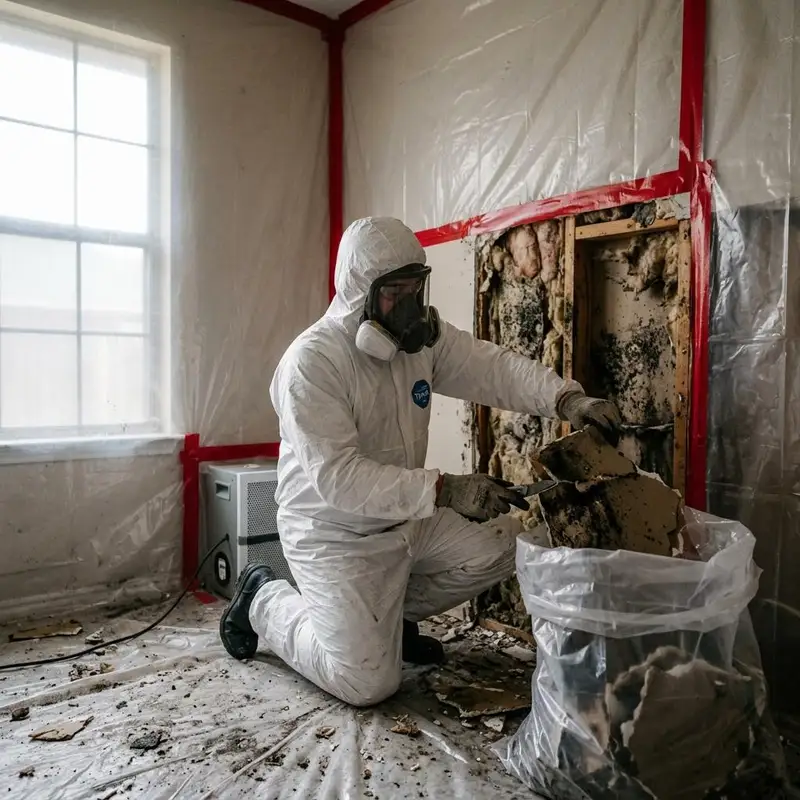
Mold remediation is not just about cleaning; it is about containment. When you disturb mold during removal, you release spores into the air. If the area is not properly sealed off, those spores can travel through the HVAC system to other parts of the building. That is why professionals set up negative air pressure using an Air Scrubber that vents outside. They also seal doorways with plastic sheeting and tape. This kind of setup is standard in any reputable mold removal company, but it is something that many DIY guides gloss over.
I once consulted on a commercial property where the maintenance team had tried to clean mold from a storage room without any containment. They used a regular fan for ventilation, which actually pushed spores into the office spaces. The result was a building-wide mold issue that required extensive remediation. That was an expensive lesson in why HEPA mold cleanup must be paired with proper containment and airflow management.
Choosing the Right Equipment for Your Situation
Not every HEPA device is the same, and choosing the wrong one can give a false sense of security. For example, a small HEPA air purifier rated for a 200-square-foot room will not be effective in a large basement or an open commercial space. You need to match the unit's clean air delivery rate to the volume of the space. The same goes for dehumidifiers. A unit that is too small will run constantly without ever bringing humidity down to a safe level. Brands like Dri-Eaz make commercial-grade dehumidifiers that are built for remediation work, not just household comfort.
I have also seen people buy mold testing kits from a hardware store and assume that a negative result means the air is safe. That is not always true. A single test can miss localized contamination. Professional mold inspection using calibrated equipment like the Microbalance HealthPro gives a more complete picture. The Indoor Air Quality Association offers training and standards for professionals who want to do the job right, and I have found that following those guidelines leads to better outcomes for clients.
Practical Steps for Homeowners and Professionals
If you are dealing with a mold problem, here are a few things to consider before you start:
- Identify the source of moisture first. Mold will keep coming back if you do not fix the leak or humidity issue. Moisture control is the foundation of any lasting solution.
- Use a HEPA vacuum cleaner for all surface cleaning after remediation. Do not use a standard vacuum or a broom, which will scatter spores.
- Run a HEPA air purifier in the treated area for at least 24 hours after the cleanup to capture any remaining airborne particles.
- Consider professional mold inspection if the affected area is larger than about 10 square feet. The EPA suggests professional help for significant contamination.
- Monitor humidity levels with a hygrometer and use a dehumidifier if needed, especially in basements and crawl spaces.
These steps are not guarantees, but they tilt the odds strongly in your favor. I have seen homes in Fort Worth that had chronic mold problems for years become completely clear after a single proper remediation that included HEPA filtration and moisture control.
Why Experience Matters
There is no substitute for hands-on experience when it comes to mold. I have been in crawl spaces so tight you could barely move, and in attics where the heat and humidity were overwhelming. Every property is different, and the approach has to adapt. That is why I do not believe in one-size-fits-all solutions. A good remediation plan starts with a thorough mold inspection and a clear understanding of the building's moisture dynamics. From there, the right tools and methods can be chosen.
The Indoor Air Quality Association provides a framework for best practices, but applying that framework requires judgment. For example, knowing when to use an Air Scrubber versus when to rely on natural ventilation during the cleanup depends on the weather, the layout of the building, and the extent of contamination. That kind of decision comes from experience, not from a manual.
Final Thoughts on Thorough Mold Cleanup
Mold is not just a cosmetic issue; it is a health and structural concern. The spores can trigger allergies, asthma, and other respiratory problems, especially in children and older adults. Some molds produce mycotoxins that have been linked to more serious health effects. That is why cutting corners during remediation is never worth the risk. A proper HEPA mold cleanup, using the right vacuums, air scrubbers, and filtration systems, is the only way to ensure that the mold is actually gone and not just out of sight.
If you are in Fort Worth and dealing with a mold problem, take the time to do it right. Whether you hire a professional or handle it yourself, invest in the right equipment and follow best practices. Your health and your property are worth the extra effort.
Ends · GETHEPAMOLDCLEANUPWIRE